32 articole in sectiunea Science
Subsectiuni
30
Environment 1
Space & Cosmos 1
| ID | Articol | Sursa | Autor | Sectiune | Publicat | Sincronizat | |
|---|---|---|---|---|---|---|---|
| 2212 |

|
March 25: A penumbral eclipse will be visible across much of the Western and Eastern Hemispheres.
|
New York Times | By Katrina Miller | Science | acum 2 ani | acum 2 ani |
| 2211 |

|
April 21: Comet Pons-Brooks makes its closest approach to the sun.
|
New York Times | By Katrina Miller | Science | acum 2 ani | acum 2 ani |
| 2210 |
|
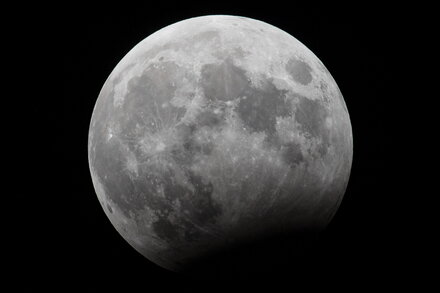
Sept. 17-18: A partial lunar eclipse will be visible in the Western Hemisphere.
|
New York Times | By Katrina Miller | Science | acum 2 ani | acum 2 ani |
| 2209 |
|
Oct. 12-13: A newly discovered comet makes its closest approach to Earth.
|
New York Times | By Katrina Miller | Science | acum 2 ani | acum 2 ani |
| 1822 |
|
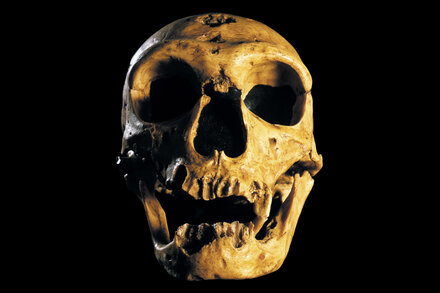
Morning Person? You Might Have Neanderthal Genes to Thank.Hundreds of genetic variants carried by Neanderthals and Denisovans are shared by people who like to get up early.
|
New York Times | By Carl Zimmer | Science | acum 2 ani | acum 2 ani |
| 1562 |
|
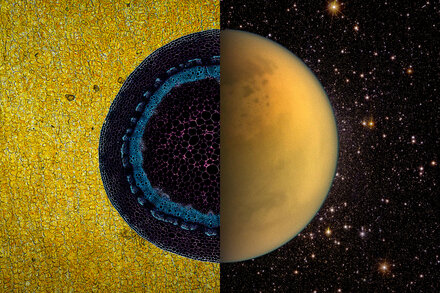
Exactly How Much Life Is on Earth?According to a new study, living cells outnumber stars in the universe, highlighting the deep, underrated link between geophysics and biology.
|
New York Times | By Dennis Overbye | Science / Space & Cosmos | acum 2 ani | acum 2 ani |
| 1535 |
|
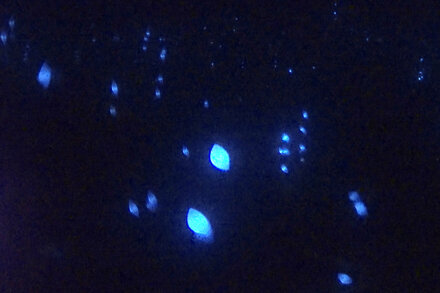
Watch ‘Sea Fireflies’ Make Underwater Fireworks as They Seek MatesTiny crustaceans the size of sand grains sneeze up packets of glowing mucus to impress potential partners.
|
New York Times | By Elizabeth Anne | Science | acum 2 ani | acum 2 ani |
| 1503 |

|
Could a Drug Give Your Pet More Dog Years?Longevity drugs for our canine companions are moving closer to reality. They also raise questions about what it might mean to succeed.
|
New York Times | By Emily Anthes | Science | acum 2 ani | acum 2 ani |
| 1364 |

|
Why Warblers Flock to Wealthier NeighborhoodsIn the unequal distribution of birds and other species, ecologists are tracing the impact of bigoted urban policies adopted decades ago.
|
New York Times | By Hillary Rosner | Science | acum 2 ani | acum 2 ani |
| 1003 |

|
A Giant Leap for the Leap Second. Is Humankind Ready?A top scientist has proposed a new way to reconcile the two different ways that our clocks keep time. Meet — wait for it — the leap minute.
|
New York Times | By Matt Richtel | Science | acum 2 ani | acum 2 ani |